§ 01 · Dispatch
I bring magnetic fields, math, and deep learning together to see inside the brain.
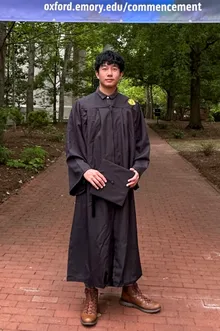
I'm Tianhe "Rory" Wu, a PhD student in Biomedical Engineering at Duke University. I work on quantitative MRI, MR fingerprinting, and reconstruction methods for understanding the brain through more reliable measurements.
- Based
- Durham, NC
- Coords
- 36.0014° N · 78.9382° W
- Program
- PhD · BME · Duke
- Role
- PhD Student in Biomedical Engineering
- Advisor
- Dr. Dan Ma
Based
Durham, NC
Program
PhD · BME · Duke
Advisor
Dr. Dan Ma
Coords
36.00° N · 78.94° W
§ 02 · Research
I’m interested in imaging methods that make the invisible measurable: how the brain behaves, how disease changes physiology, and how algorithms can make those signals easier to trust.
Right now, I’m especially focused on brain qMRI: using acquisition design, reconstruction, and modeling to estimate tissue properties more consistently across scans.
The goal is not only sharper images, but measurements that are easier to compare, explain, and use in downstream biomedical questions.
- quantitative MRI
- MR fingerprinting
- brain mapping
- image reconstruction
- signal modeling
- learning-based methods
§ 03 · Bio
I am a PhD student in Biomedical Engineering at Duke University, advised by Dr. Dan Ma.
My work sits at the intersection of quantitative MRI, MR fingerprinting, and learning-based reconstruction: building methods that turn complex MR signal behavior into measurements of brain tissue, physiology, and disease-related change.
Before Duke, I studied Applied Mathematics and Biology at Emory University. I’m drawn to work that combines careful modeling, useful algorithms, and clinically meaningful imaging questions.
§ 04 · Focus
- 01 MR Fingerprinting ◆
Acquisition and signal-modeling strategies for estimating tissue parameters from dynamic MR responses.
- 02 Quantitative MRI ◆
Methods that move MRI from qualitative contrast toward reproducible, comparable brain measurements.
- 03 Deep Learning for Medical Imaging ◆
Learning-based tools for reconstruction, denoising, and extracting stable information from complex imaging data.
§ 05 · Education
Ph.D. in Biomedical Engineering
Pratt School of Engineering, Duke University
2030 (Expected)
BS in Applied Mathematics & BA in Biology
College of Arts and Sciences, Emory University
2025
§ 06 · Fluency
— Research tools
- Python
- C++
- Math
— Languages
- English
- Chinese
- Latin
§ 07 · Selected
Selected papers.
Index all →01
2025 · Acta Biomaterialia
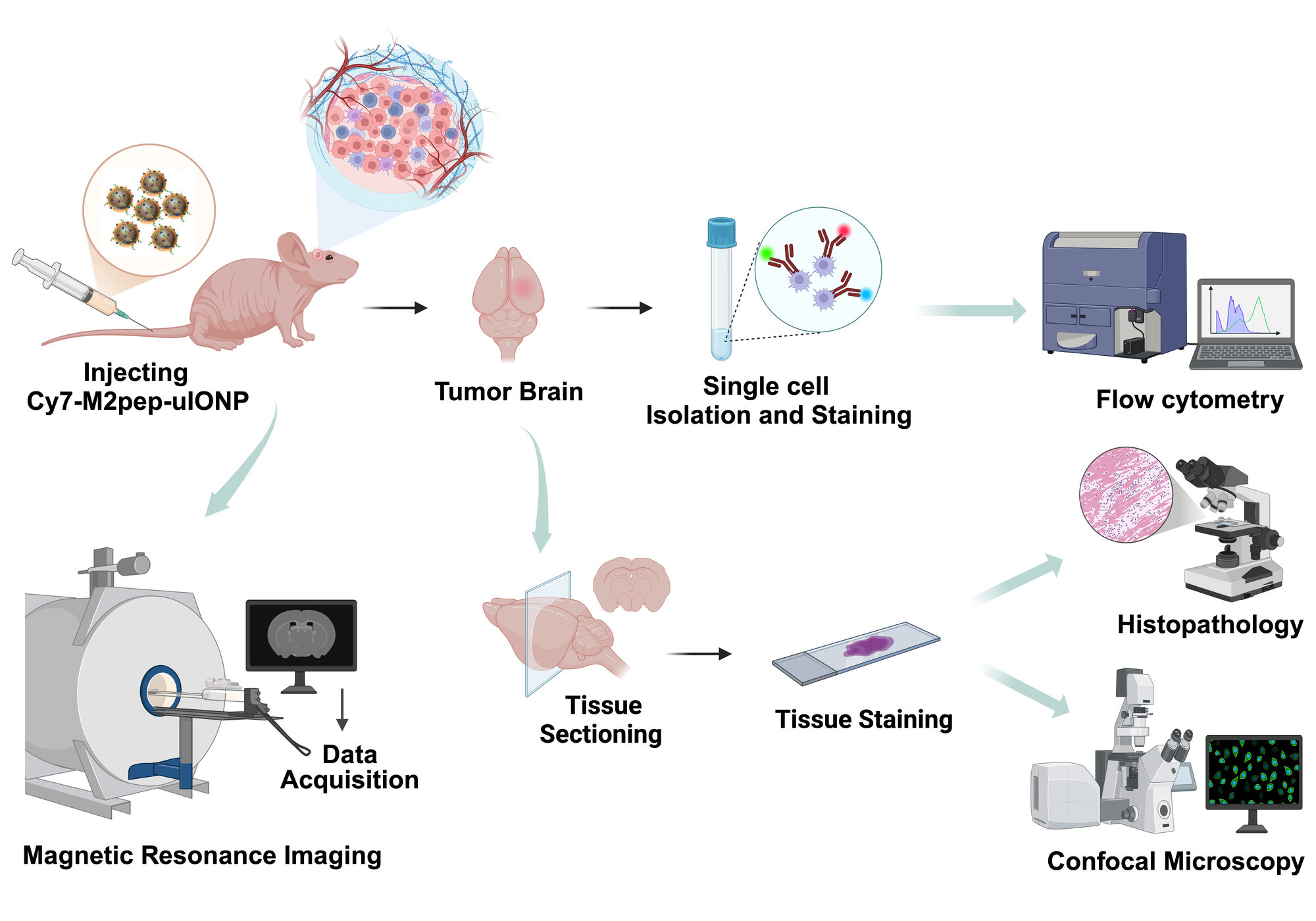
A subtype specific probe for targeted magnetic resonance imaging of M2 tumor-associated macrophages in brain tumors
Yuancheng Li, Anbu Mozhi Thamizhchelvan, Hedi Ma, Jonathan Padelford, Zhaobin Zhang, Tianhe Wu, Quanquan Gu, Zi Wang, Hui Mao
- Targeted MRI
- Glioblastoma
- Nanoparticles
02
2024 · Nanoscale
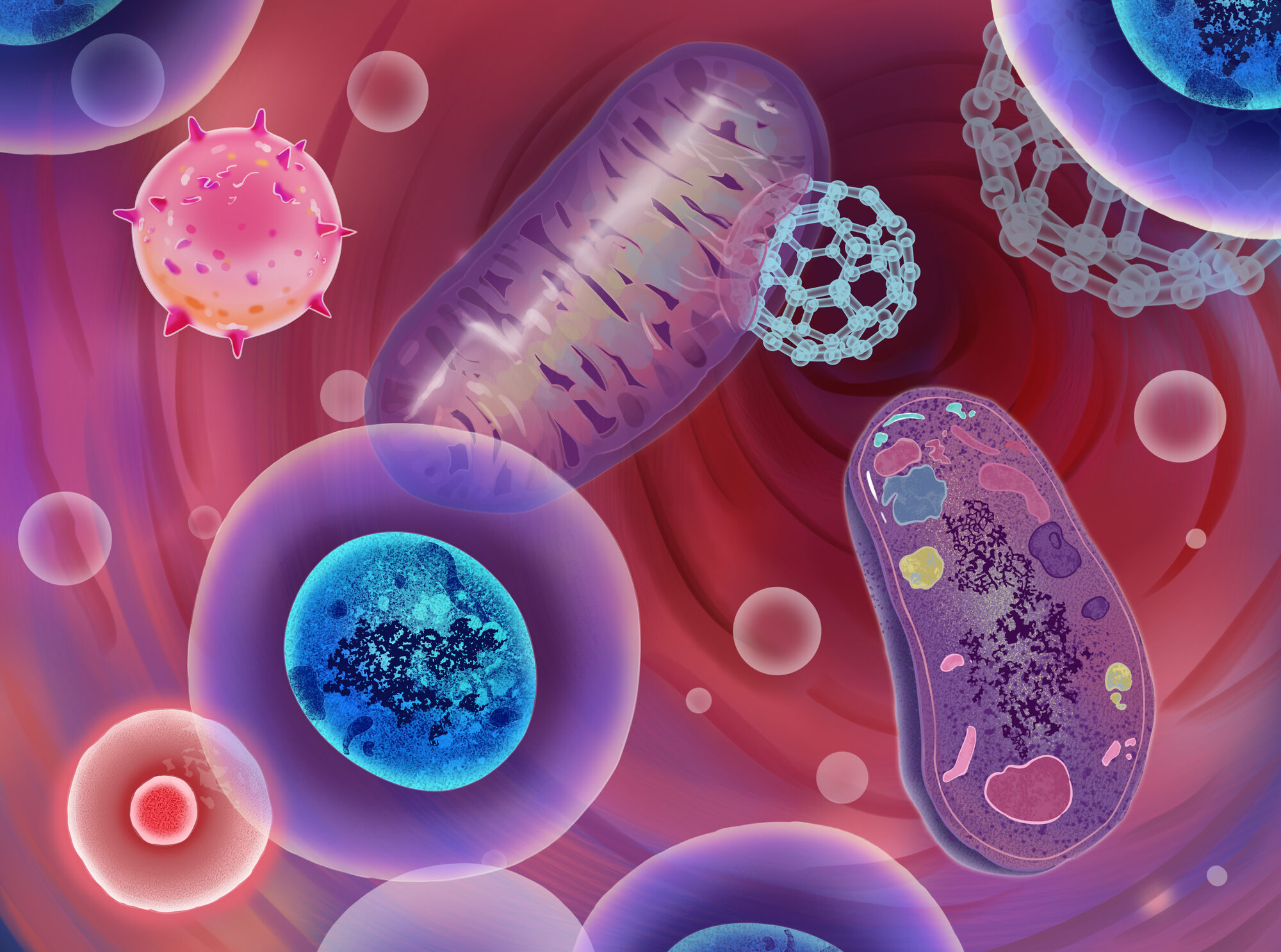
Shape-dependent cellular uptake of iron oxide nanorods: mechanisms of endocytosis and implications on cell labeling and cellular delivery
Anbu Mozhi Thamizhchelvan, Hedi Ma, Tianhe Wu, Darlene Nguyen, Jonathan Padelford, Ted J. Whitworth, Yuancheng Li, Lily Yang, Hui Mao
- Cellular uptake
- Iron oxide nanorods
- Drug delivery
03
2024 · Quantitative Imaging in Medicine and Surgery
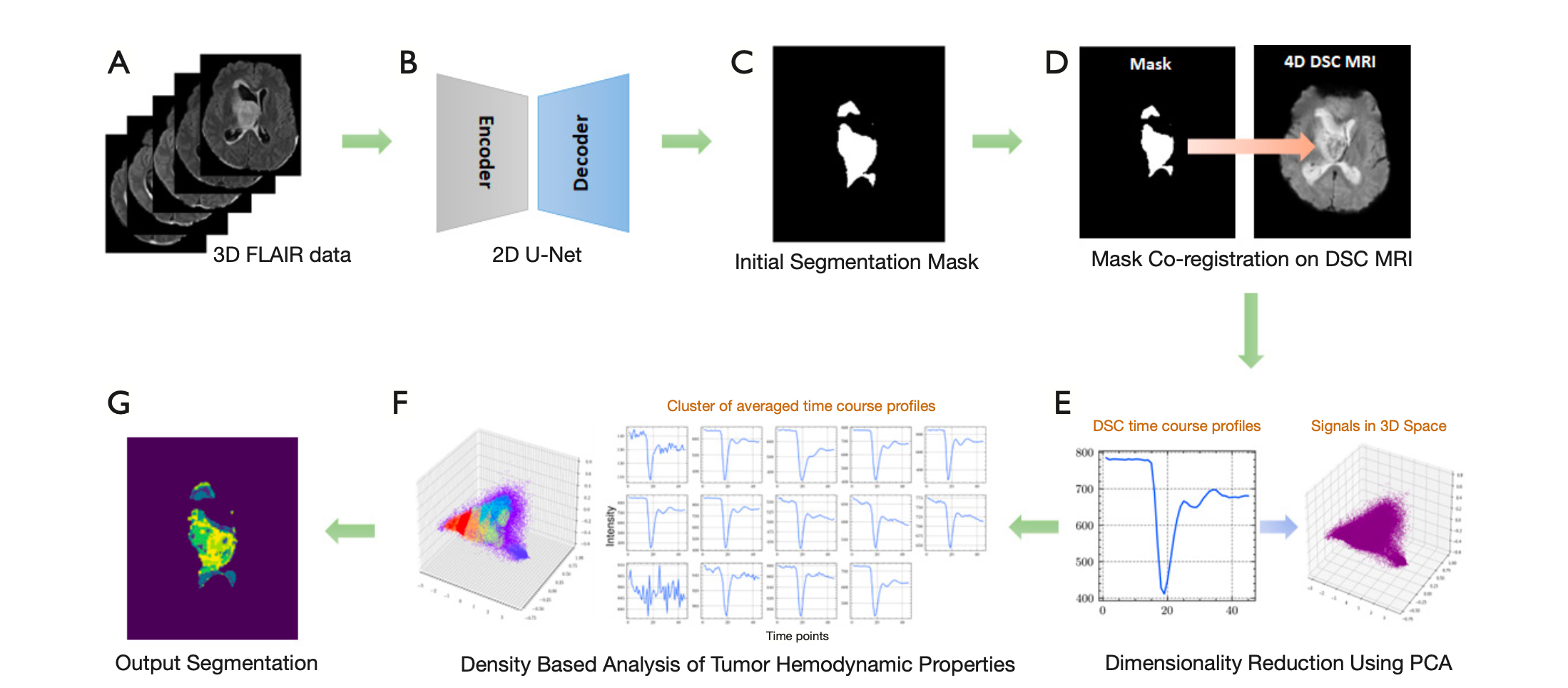
Hemodynamic property incorporated brain tumor segmentation by deep learning and density-based analysis of dynamic susceptibility contrast-enhanced magnetic resonance imaging (MRI)
Leonardo Tang, Tianhe (Rory) Wu, Ranliang Hu, Quanquan Gu, Xiaofeng Yang, Hui Mao
- Deep learning
- Tumor segmentation
- Perfusion MRI
§ 08 · Reach out
Let’s compare signals.
I’m happy to talk about quantitative MRI, MR fingerprinting, deep learning in medical imaging, or adjacent research questions.
rory.wu@duke.edu ↗